The main tasks of the agriculture industry of Russia provide for a substantial increase in agricultural production in volumes that satisfy not only domestic needs, but also exports. The development of agricultural production, increasing its productivity is linked with the intensification of the industry, one of the most important conditions of which is the use of fertilizers.
Magnesium is usually attributed to secondary elements of plant nutrition by importance. However, it is one of the seven basic elements most needed by plants. The physiological role of magnesium in the plant body is great and diverse.It is part of the organelles of cells (chloroplasts, ribosomes), membranes, cell walls. Magnesium is directly involved in photosynthesis, respiration, protein synthesis and many other physiological processes.
With a lack of magnesium, the formation of chlorophyll in the leaves of the plants is delayed, oxidative processes intensify, photosynthesis slows down and, as a result, plant growth and development are disrupted.
An external sign of magnesium deficiency is leaf chlorosis, which is found to be typical problem for the old leaves.
The main source of magnesium for plants is soil. However, in Russia, about 20 million hectares of arable soils have a low and very low content of available magnesium. In addition, there are many other factors that cause magnesium starvation of plants, including an intensive farming system, which leads to increased crop productivity, while reducing the content of available forms of magnesium in the soil.
The main way to solve problems of optimizing the content of available magnesium is the use of magnesium and magnesium-containing fertilizers.
There are several ways to provide plants and soil with magnesium:
- Reclamation of soils with magnesium-containing lime fertilizers
- The use of magnesium mineral fertilizers for each crop rotation, taking into account its biological needs
- The use of organic fertilizers
The average increase in grain yield from the application of magnesium is 0.2-0.6 t/ha, potato - 1.5-3 t/ha, sugar beet root crops - 2-4 t/ha, green mass of corn - 2-6 t/ha, perennial grass hay - 0.4-0.7 t / ha, tea leaf - 0.5-1.0 t / ha.
The largest increase in row crops and grain yields according to the results of experiments of various research institutions, from the introduction of magnesium is observed on soils poor in magnesium and amounts to 20-25%.
By optimizing the nutrition of magnesium in plant products, the content of starch, sugar, protein, vitamin C increases, the quality of the seed material improves - germination and germination energy increase, and resistance to adverse environmental conditions, fungal diseases increases.
At high yields, crops carry 10-70 kg of MgO from 1 ha per year. Loss of magnesium from the soil as a result of leaching is approximately 10-20 kg of MgO per 1 ha. On light soils, in rainy seasons and also when applying high doses of mineral fertilizers (NPK), magnesium loss is even higher. Thus, in order to maintain a positive balance of magnesium in the soil, its annual application in the amount of 30-40 kg/ha as MgO is required.
In this regard, brucite a natural magnesium hydroxide has very high potential for the use in agriculture as a source of an element vital to plants — magnesium and ameliorant for acidic soils depleted in mobile forms of magnesium.
Brucite+ produces a line of AgroMag® products, the main fields of application of which are the production of fertilizers and fertilizer mixtures for the agriculture industry. AgroMag® contains the largest amount of magnesium (up to 62% MgO) in comparison with other industrial magnesium minerals.
Fertilizers of the AgroMag® line supply the soil with mobile magnesium compounds and improve its agrochemical properties by normalizing soil acidity, reducing the mobility of aluminum and manganese, increasing the biological activity of the soil and increasing the availability of nitrogen, phosphorus, potassium and molybdenum to plants.
AgroMag® has fungicidal properties and increases the resistance of plants (especially winter forms) to adverse environmental conditions.
AgroMag® is available in the following forms:
- Powder and granules for soil application
- Liquid aqueous suspension for foliar top dressing
AgroMag® for the main soil application is a finely dispersed, uniform in structure, white powder or granules from light gray to odorless brown. The product is environmentally friendly in recommended doses and is suitable for use in organic farming.
Magnesium hydroxide is considered as material, which has limited solubility in water, but, getting into the soil with an acidic pH, AgroMag® begins to gradually dissolve with the release of easy available magnesium ions, which are then absorbed by the plant through the roots. Due to the limited solubility, the AgroMag® product supplies the plant with magnesium gradually throughout the season and is not washed out from the soil by rains.
The bioavailability and reactivity of AgroMag® (including in soils with a pH close to neutral) are also facilitated by the fineness of the grinding of the mineral (the size of the particles is not higher than 20 microns) and root secretions (organic acids) of vegetative plants that convert magnesium hydroxide to Mg2+ ions, available for absorption by the roots.
In addition, AgroMag® powder is used in the production of ammonium nitrate and complex fertilizers as an anti-caking agent and magnesium source. When using magnesium hydroxide, a strong and dense fine-crystalline structure of granules is formed, which gives fertilizers optimal physical properties. Thanks to such a conditioning additive, fertilizer is well protected from caking, dust formation and moisture absorption.
In modern crop production, sheet top dressing is also used as an effective way to prevent and eliminate magnesium deficiency. An important feature of this method is the rapid entry of the nutrient into the plant and its inclusion in metabolic processes.
AgroMag® AktiMax is a liquid magnesium complex fertilizer made from mineral raw materials - brucite (Mg(OH)2) by milling and production of a stabilized aqueous suspension with a high content solids (up to 20.9% Mg) with the addition of nitrogen, calcium and iron. The product is used as a foliar application of crops during the growing season in order to normalize plant metabolism, increase productivity, nutritional and nutritional value of products, increase plant resistance to diseases and adverse environmental conditions.
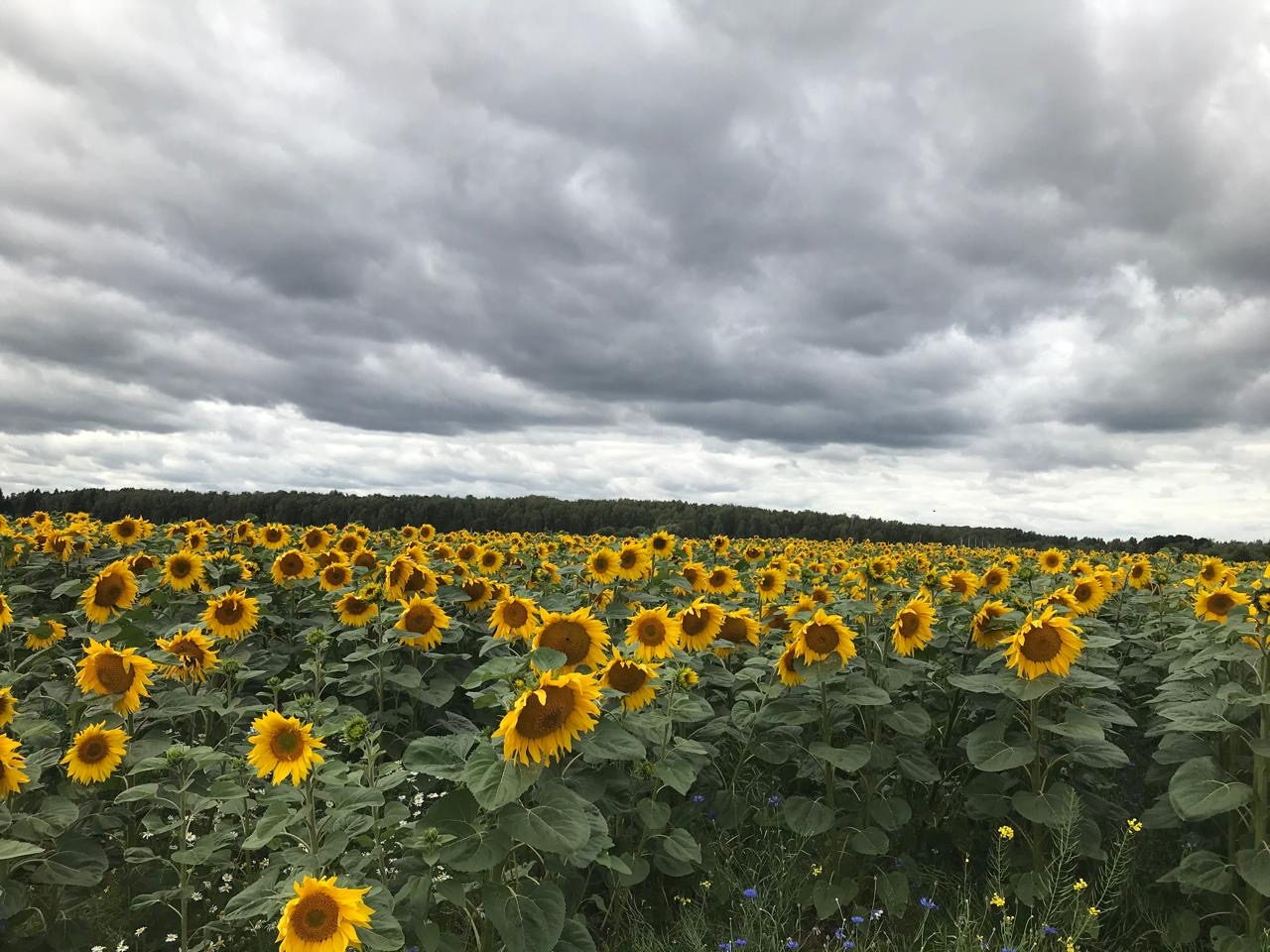
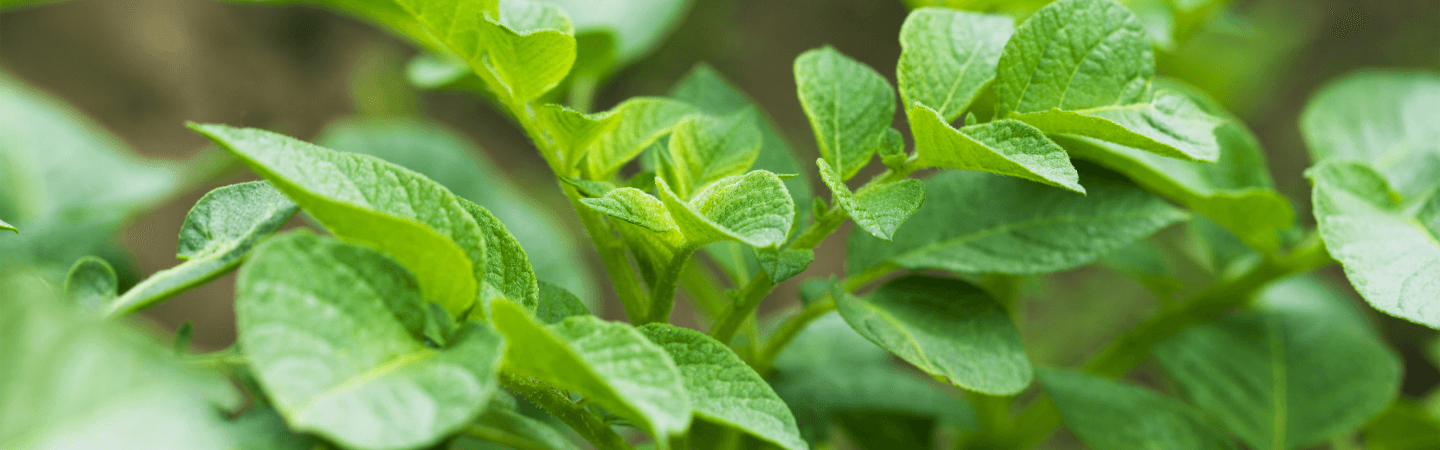
Fertilizing during sowing in doses of 40-80 kg / ha for potatoes significantly increases the yield compare to the control by 29-35%, and also increases the number of large roots, contributs to an increase in the yield of roots of beet by 12-19% due to the increase their mass. The results of a biochemical analysis of beet root crops has shown that due to AgroMag® there was an increase in the dry matter content by 1.5%, ascorbic acid by 0.7-1.2 mg %, vitamin P by 0.6-2.2 % compared to control. Beet damage by cercosporosis was reduced. AgroMag® had a positive effect on the yield of corn relative to the control of 2.7 - 8.5 cwt/ha. The highest yield and increase were obtained on the application of AgroMag® of 80 kg/ha. Statistically significant increases in sunflower yields of 2.9 and 3.6 cwt/ha were also obtained with AgroMag® at doses of 40 and 80 kg/ha.
Foliar top dressing of AgroMag® AktiMax against the background of manure (40 t/ha) 2 times during the season before hilling of plants at doses of 2-6 l/ha with a application rate of working solution 300 l/ha also contributed to an increase in potato yield by 80-88 centers relative to the control. On tomato, foliar top dressing with AgroMag® AktiMax fertilizer had a positive effect on the timing of the onset of fruit formation and accelerated their maturation by 2-4 days. Under the influence of fertilizer, the average weight of the fruits increased by 1.7-2.9 g. A study of the biochemical composition of tomato fruits has shown that spraying the leaves with a suspension increased the sugar content in the fruits compared to the control ones. Fertilizer also had a positive effect on the increase in the average weight of the fruit in the experiment with the apple tree, which led to an increase in the yield of trees by an average of 30%. The highest yield of apples was obtained with a consumption rate of 4 l/ha.
The products of the AgroMag® family can be successfully used as an effective magnesium fertilizer in the cultivation of a number of field, vegetable and fruit crops.